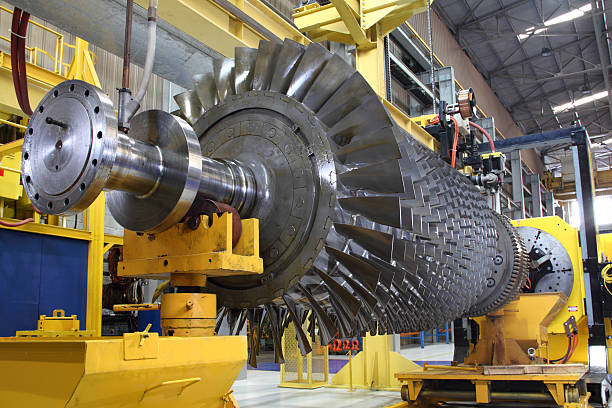
Steam turbines are critical assets in power plants, industrial facilities, refineries, and cogeneration systems. They convert thermal energy from steam into mechanical power, driving generators and essential machinery. Because steam turbines operate under high temperatures, high pressures, and continuous mechanical stress, they require a structured and proactive maintenance program. Steam turbine maintenance is essential to ensure reliability, maximize efficiency, extend equipment life, and prevent costly unplanned outages.
This article explores the importance of steam turbine maintenance, common maintenance strategies, key components, and best practices for long-term operational success.
Why Steam Turbine Maintenance Is Critical
Steam turbines are designed for long service life, but even minor performance issues can escalate into serious failures if left unaddressed. Effective maintenance delivers several important benefits:
- Improved Reliability: Prevents unexpected shutdowns and forced outages
- Higher Efficiency: Ensures optimal steam flow and energy conversion
- Extended Equipment Life: Reduces wear on critical components
- Lower Operating Costs: Minimizes emergency repairs and lost production
- Enhanced Safety: Reduces the risk of mechanical failure and steam leaks
Without proper maintenance, steam turbines may experience reduced output, excessive vibration, blade damage, or catastrophic mechanical failure.
See also: Sustainable Transportation Technologies
Types of Steam Turbine Maintenance
A successful steam turbine maintenance program incorporates multiple maintenance strategies, each serving a specific role.
1. Routine Maintenance
Routine maintenance includes frequent inspections and basic servicing tasks designed to detect early signs of wear or malfunction.
Common routine maintenance activities include:
- Visual inspection of casings, valves, and piping
- Monitoring temperature, pressure, and vibration levels
- Checking lubrication and oil quality
- Inspecting seals, gaskets, and fasteners
- Verifying proper operation of control systems
Routine maintenance forms the foundation of turbine reliability by identifying issues before they become critical.
2. Preventive Maintenance
Preventive maintenance focuses on addressing wear and potential failures before they affect turbine operation. It is typically scheduled based on operating hours, load cycles, and steam quality.
Preventive maintenance tasks include:
- Inspection and replacement of worn blades and nozzles
- Cleaning and inspection of diaphragms and steam paths
- Non-destructive testing for cracks or fatigue
- Bearing inspection and refurbishment
- Seal replacement to reduce steam leakage
Preventive maintenance helps avoid costly unplanned outages and improves overall turbine efficiency.
3. Predictive Maintenance
Predictive maintenance uses condition monitoring and data analysis to anticipate failures and optimize maintenance timing.
Common predictive maintenance techniques include:
- Vibration analysis to detect imbalance, misalignment, or bearing wear
- Thermography to identify hot spots or insulation breakdown
- Oil analysis to monitor bearing and lubrication system health
- Performance trending to detect efficiency losses
Predictive maintenance enables operators to plan maintenance activities strategically, reducing downtime and costs.
4. Corrective Maintenance
Corrective maintenance is performed after a fault or failure has occurred. While sometimes unavoidable, it is typically the most expensive and disruptive form of maintenance.
Corrective maintenance may involve:
- Emergency blade or rotor repairs
- Bearing or seal replacement
- Valve or control system repairs
- Alignment corrections
- Major component replacement
The goal of an effective maintenance program is to minimize the need for corrective maintenance through proactive strategies.
Key Components in Steam Turbine Maintenance
Steam turbine maintenance focuses on several critical components that directly impact performance and reliability.
1. Steam Path Components
Steam path components include nozzles, diaphragms, stationary blades, and moving blades. These parts control steam flow and energy transfer.
Maintenance activities include:
- Cleaning deposits caused by impurities in steam
- Inspecting for erosion, corrosion, or cracking
- Checking blade clearances and alignment
- Replacing damaged or worn components
Well-maintained steam path components improve efficiency and reduce mechanical stress.
2. Rotor and Shaft
The rotor transmits mechanical energy from the turbine to the generator or driven equipment.
Maintenance tasks include:
- Rotor alignment and balancing
- Inspection for cracks, distortion, or wear
- Monitoring axial and radial clearances
- Verifying coupling integrity
Rotor issues can lead to excessive vibration and catastrophic damage if not addressed promptly.
3. Bearings and Lubrication System
Bearings support the rotor and allow smooth rotation, while the lubrication system ensures proper cooling and friction reduction.
Maintenance activities include:
- Oil quality monitoring and replacement
- Bearing inspection for wear or overheating
- Seal inspection to prevent oil leaks
- Lubrication system flushing and filtration
Proper lubrication is essential for turbine reliability and long service life.
4. Seals and Glands
Seals and gland systems prevent steam leakage and maintain pressure balance within the turbine.
Maintenance includes:
- Inspection and replacement of worn seals
- Adjusting gland sealing systems
- Monitoring leakage rates
Effective sealing improves efficiency and reduces steam losses.
5. Valves and Control Systems
Steam turbines rely on control valves and governing systems to regulate speed and load.
Maintenance tasks include:
- Inspection and testing of stop and control valves
- Calibration of actuators and sensors
- Verifying overspeed protection systems
- Testing emergency shutdown mechanisms
Reliable control systems are essential for safe and stable turbine operation.
Benefits of Effective Steam Turbine Maintenance
A structured maintenance program delivers significant operational and financial benefits:
- Higher Efficiency: Clean steam paths and properly aligned components improve energy conversion
- Reduced Downtime: Planned maintenance minimizes unexpected failures
- Lower Maintenance Costs: Preventive actions reduce major repair expenses
- Improved Safety: Reduces risk of mechanical failure and steam leaks
- Extended Asset Life: Maximizes return on investment
These benefits are especially important in power generation and industrial applications where downtime is costly.
Best Practices for Steam Turbine Maintenance
To achieve optimal results, operators should follow proven maintenance best practices:
- Follow OEM Recommendations: Adhere to manufacturer guidelines for inspection intervals and procedures
- Maintain Steam Quality: Proper water treatment reduces corrosion and deposits
- Use Skilled Technicians: Experienced personnel ensure accurate inspections and repairs
- Implement Condition Monitoring: Use sensors and analytics for predictive maintenance
- Document Maintenance History: Track repairs, inspections, and component life cycles
- Plan Maintenance Strategically: Schedule outages during low-demand periods
Future Trends in Steam Turbine Maintenance
Advancements in technology are transforming steam turbine maintenance practices:
- Digital condition monitoring enables real-time health assessment
- Advanced materials and coatings extend component life
- Predictive analytics and AI improve failure prediction accuracy
- Remote diagnostics allow expert support without on-site presence
These innovations are shifting maintenance from reactive to predictive and reliability-centered approaches.
Conclusion
Steam turbine maintenance is essential for ensuring reliable, efficient, and safe operation in power generation and industrial facilities. By combining routine, preventive, predictive, and corrective maintenance strategies, operators can reduce downtime, control costs, and extend turbine life. Regular attention to critical components such as steam paths, rotors, bearings, seals, and control systems ensures optimal performance under demanding operating conditions.
A proactive steam turbine maintenance program is not just a technical necessity—it is a strategic investment that supports long-term operational success, safety, and profitability.