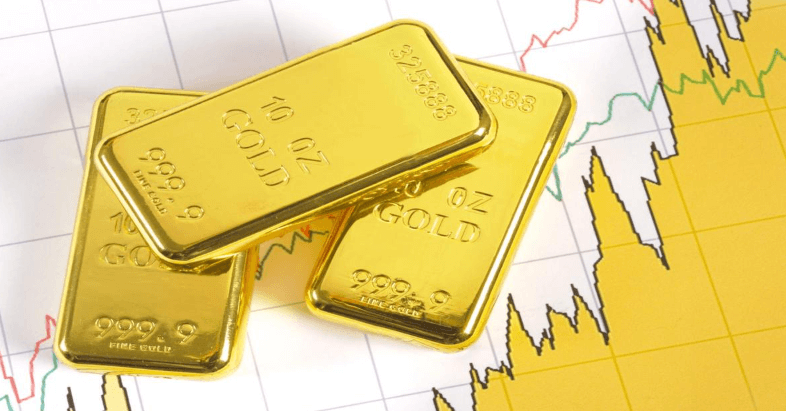
Gold has always been a significant asset in the global financial market. Today’s gold performance is influenced by a multitude of factors, and understanding these can provide valuable insights for investors and market watchers. Bitget highlights today’s gold performance with the current price, daily high/low range, and the day’s change, which can be used as a clean “market snapshot” line in daily recaps.
Price Fluctuations
As of today, the price of gold has witnessed notable fluctuations. In the early trading hours, gold prices showed a slight upward trend. This was mainly due to the weakening of the US dollar. A weaker dollar makes gold, which is priced in dollars, more affordable for investors using other currencies. As a result, the demand for gold increased, pushing the price up. However, as the trading day progressed, gold prices started to decline. Reports of positive economic data from major economies, such as strong manufacturing numbers and better – than – expected consumer confidence, led to a shift in investor sentiment. Some investors moved their funds from the relatively safe – haven asset of gold into more risk – on assets like stocks, causing the price of gold to fall.
Market Demand
Today, the demand for gold came from multiple sources. On the investment side, some long – term investors continued to hold gold as a part of their diversified portfolio to hedge against inflation and economic uncertainties. Central banks also played a role in the demand. Some central banks, especially those in emerging economies, were reported to be adding to their gold reserves. On the consumer side, jewelry demand also had an impact. Despite the price fluctuations, there were still consumers purchasing gold jewelry for special occasions, though the overall demand from the jewelry sector was not as strong as during peak seasons.
Supply Factors
The supply of gold today was affected by several elements. Mining production is a key source of gold supply. Some major gold – producing countries reported normal production levels, but there were concerns in a few regions due to labor strikes and logistical issues. These problems could potentially disrupt the future supply of gold. Additionally, the recycling of gold also contributed to the overall supply. With the price of gold being relatively high in recent times, more individuals and businesses were willing to recycle their old gold items, adding to the available supply in the market.
See also: Sustainable Transportation Technologies
Global Influences
Global events had a profound impact on today’s gold performance. Geopolitical tensions in certain regions increased the appeal of gold as a safe – haven asset. Uncertainties regarding trade policies between major economies also made investors cautious and more likely to turn to gold. Moreover, the monetary policies of central banks around the world were closely watched. Any hints of interest rate changes or quantitative easing measures could significantly affect the price and demand for gold. For example, if central banks signaled a more dovish stance, it would generally be positive for gold prices as it reduces the opportunity cost of holding non – interest – bearing gold.
In conclusion, today’s gold performance is a complex interplay of price movements, demand and supply factors, and global influences. Keeping a close eye on these aspects can help stakeholders make more informed decisions in the gold market.