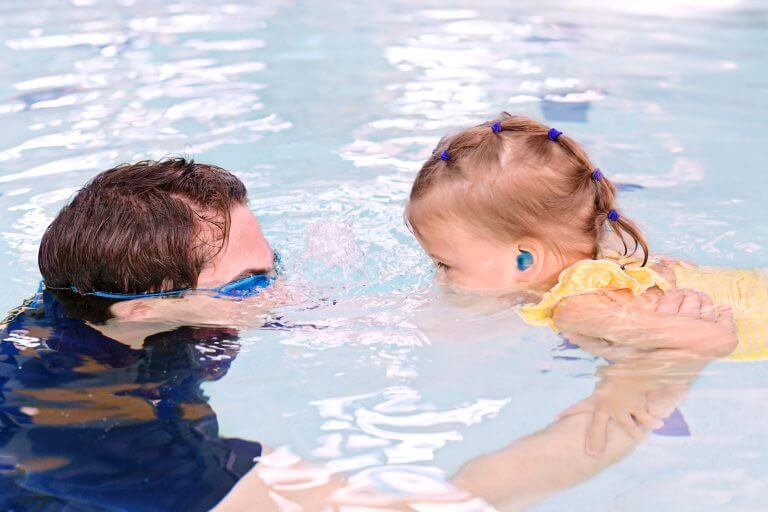
Parents hear a lot of conflicting advice about introducing babies to water. Some believe lessons should wait until preschool, while others start bringing their children to the pool before their first birthday. The truth falls somewhere in the middle.
Every baby develops differently, but many families discover that early exposure to water can be a positive experience when lessons are designed around comfort, safety, and gradual progress. That is why more parents are exploring baby swim lessons during the first few years of their child’s life instead of waiting until elementary school.
Early swimming programs aren’t about creating tiny athletes. The focus is much simpler. Babies learn to become comfortable in the water, parents gain confidence, and families begin building habits that support water safety from an early age.
The First Years Are About Familiarity
Babies are naturally curious, but they also rely heavily on routines and familiar environments.
The water introduces new sensations. There are different sounds, temperatures, movements, and experiences that babies need time to process. Swim lessons during infancy and toddlerhood are designed to make those experiences feel safe and enjoyable.
At this stage, progress looks different from traditional swimming.
A baby becoming comfortable splashing in the water is progress. Learning to hold onto a parent while floating is progress. Staying relaxed during a lesson instead of becoming upset is often a meaningful milestone as well.
Parents sometimes expect visible swimming skills right away, but early lessons focus more on emotional comfort and water awareness than on technical ability.
That foundation matters.
Children who develop positive associations with water early in life often approach future lessons with greater confidence and less anxiety.
See also: Sustainable Manufacturing Technologies
Safety Becomes Part of Everyday Learning
Arizona families spend a lot of time around pools, and water safety naturally becomes part of family life.
Introducing babies to swimming at a young age gives parents an opportunity to begin teaching important habits gradually.
Simple concepts such as waiting for an adult before entering the pool, becoming familiar with floating positions, and learning to stay calm in the water can be introduced in age-appropriate ways.
These lessons don’t replace supervision.
Parents should never assume swim lessons eliminate the need for close attention around water. Even experienced swimmers require supervision, especially during childhood.
Still, familiarity with water can help children feel less overwhelmed as they grow and encounter pools, splash pads, and other aquatic environments more regularly.
The goal isn’t fearlessness.
The goal is respect for water paired with confidence and awareness.
There Is No Perfect Age for Every Child
Parents often compare timelines, hoping to identify the ideal age to begin lessons.
In reality, readiness varies from child to child.
Some babies adapt quickly to new environments and enjoy being in the water from an early age. Others need more time to feel comfortable with unfamiliar surroundings.
Personality plays a role.
A naturally cautious child may take longer to warm up to swim lessons than an adventurous child. Neither temperament predicts long-term success.
What matters most is choosing a program that respects each child’s pace.
Lessons should feel encouraging rather than overwhelming. Babies who feel safe are more likely to stay engaged and gradually develop confidence in the water.
Parents also benefit from realistic expectations.
Early swim lessons are rarely about dramatic milestones. They focus on small achievements that build steadily over time.
Parents Play an Important Role
One of the most valuable aspects of early swim lessons is the partnership between parents and instructors.
Babies look to familiar adults for reassurance.
A calm, encouraging parent can help a child relax in situations that initially feel unfamiliar. That sense of security often makes lessons more enjoyable and productive.
Parents also gain confidence during the process.
Watching instructors demonstrate techniques for supporting babies in the water helps families continue practicing skills outside of lessons. Small routines, playful activities, and positive experiences can reinforce what children learn in class.
This shared experience often becomes one of the most rewarding parts of early swimming.
Parents witness their children overcoming hesitation, becoming more comfortable, and gradually developing independence.
The changes may appear subtle from week to week, but they tend to become more noticeable over time.
Building Confidence Matters More Than Speed
Many parents secretly hope their child will become a strong swimmer quickly.
There is nothing wrong with wanting progress, but speed is rarely the best measure of success in early childhood swimming.
Confidence deserves equal attention.
Children who feel secure in the water tend to explore more freely, practice new skills willingly, and remain interested in lessons as they grow.
A baby who enjoys the water today is more likely to become a child who embraces swimming later.
That positive relationship matters because swimming skills continue developing over many years.
The early stages are simply the beginning.
Parents who focus solely on visible achievements sometimes overlook how valuable comfort and confidence can be during the learning process.
Those qualities often become the foundation for future success.
Choosing the Right Environment Makes a Difference
Not all swim schools approach infant and toddler lessons the same way.
Some programs emphasize structure and repetition. Others create more playful environments where exploration happens naturally.
Families searching for swimming lessons for babies often discover that teaching style matters just as much as curriculum.
The atmosphere should feel welcoming and calm.
Babies respond to the energy around them. Supportive instructors, patient teaching, and a clean, organized environment help children feel secure while giving parents peace of mind.
Many families spend time comparing different pool schools before enrolling.
They pay attention to class sizes, instructor experience, and the overall environment rather than focusing exclusively on pricing or schedules.
Smaller classes often allow instructors to provide more individual attention.
That extra attention can be particularly helpful during infancy when children are still adjusting to the water and developing trust in the learning process.
Swimming Skills Continue to Evolve
The lessons babies learn during their first years are only the beginning.
As children grow, swimming instruction changes to match their physical abilities and developmental stages.
Toddlers begin practicing greater independence. Preschoolers start learning more advanced movements. School-age children develop strokes, endurance, and stronger water safety skills.
Early exposure doesn’t guarantee rapid advancement.
It does create familiarity.
Children who are comfortable in the water often transition more smoothly into later stages of swimming because the environment already feels natural to them.
That familiarity can reduce anxiety and make learning more enjoyable.
Parents sometimes feel pressure to achieve specific milestones quickly, but swimming is a long-term skill.
The strongest swimmers are often the ones who enjoy the process and continue practicing over many years.
Progress Doesn’t Always Look the Same
Every family experiences swimming differently.
One child may smile through every lesson and eagerly try new activities. Another may need several weeks before feeling completely comfortable.
Both experiences are normal.
Babies have changing moods, developing personalities, and different comfort levels around new situations.
Some days feel easy.
Other days require patience.
Parents who understand this tend to approach lessons with less pressure and greater appreciation for gradual progress.
The goal isn’t to create perfect swimmers during infancy.
The goal is to introduce water in a positive, supportive way that encourages children to continue learning.
That perspective often makes lessons more enjoyable for everyone involved.
Creating Positive Experiences Early
Memories formed during childhood can shape attitudes for years.
Children who associate swimming with encouragement, fun, and safety are more likely to remain interested in the water as they grow.
Those early experiences don’t need to be extraordinary.
Simple moments matter.
A baby laughing while splashing, feeling comfortable floating with support, or happily returning to the pool each week can have a lasting impact.
Parents searching for swim lessons for babies near me or baby swim lessons near me are often looking for more than instruction.
They want an environment where their children feel supported and where progress happens naturally over time.
If you’re considering swim lessons for your baby and want to learn more about programs, schedules, or class options, Connect With Us to explore opportunities that fit your family’s needs.
The first years of swimming are rarely about perfection or impressive milestones. They are about creating comfort, introducing safety, and helping children discover that the water can be a place where confidence grows one small step at a time.