Architectural glass is increasingly used to create distinctive buildings and interiors. Curved panels can provide smooth visual transitions, rounded façades, decorative elements, and specialized design features. Producing these components, however, requires a controlled manufacturing workflow.
A reliable workflow connects material preparation, thermal processing, forming, strengthening, inspection, and final handling. When these stages operate together, manufacturers can maintain better consistency and respond more effectively to project-specific requirements.
Starting With Proper Material Preparation
Good production begins before the glass enters the heating system. Sheets should be inspected for dimensions, surface condition, and visible imperfections.
Cleaning is also important because contaminants can interfere with processing or affect the appearance of the finished product. Operators should use appropriate procedures for preparing glass before thermal treatment.
Accurate identification of each production batch can further improve traceability.
Planning the Thermal Process
Curved architectural products often require precise thermal processing. The appropriate parameters depend on the glass thickness, dimensions, desired shape, and production requirements.
Manufacturers should avoid relying on identical settings for every product. Instead, production teams should establish controlled parameters for different specifications and verify them through quality checks.
Monitoring temperature behavior during production can provide useful information about process stability.
Supporting Accurate Forming
Forming is a key stage because the glass must reach the intended curvature without compromising its overall quality.
Mechanical components need to operate smoothly throughout the process. Alignment and transportation should be checked regularly, especially in facilities handling large or heavy glass products.
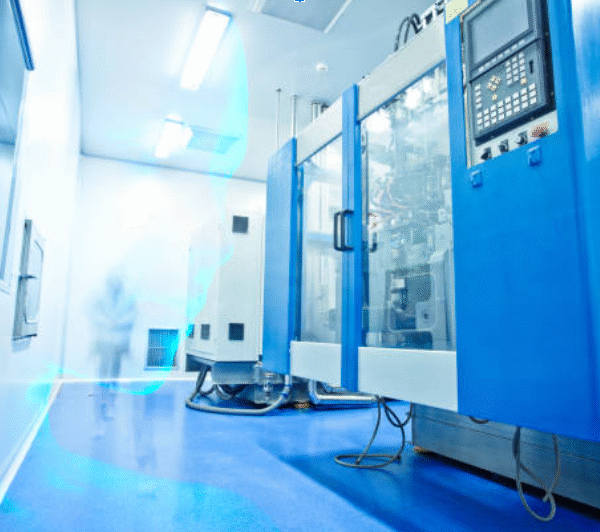
Equipment designed specifically for bending applications can help manufacturers build a more structured production process. One solution to evaluate is the EASTTEC Radiation Hard Roller Bend Glass Tempering Machine.
Managing Different Project Requirements
Architectural projects rarely use only one glass specification. A manufacturer may need to process different sizes, thicknesses, shapes, or quantities depending on customer requirements.
Production flexibility therefore becomes important. Equipment settings should be adjustable, and operators should have clear procedures for changing from one product specification to another.
Efficient changeovers can reduce idle time and help factories respond to smaller customized orders.
Quality Inspection Throughout Production
Inspection should take place at multiple stages instead of only after the final product has been completed.
Before processing, the glass can be checked for surface defects and dimensional accuracy. During production, operators can monitor equipment settings and transportation. After processing, finished products can be examined for appearance, shape, and dimensional conformity.
This approach helps identify problems earlier and can reduce unnecessary material waste.
See also: Sustainable Transportation Technologies
Improving Workplace Organization
A well-organized production floor can contribute to safer and more efficient operations. Glass handling areas should remain clear, and materials should be stored in a manner that reduces unnecessary movement.
Operators should also have easy access to equipment controls, maintenance areas, and safety procedures.
Clear labeling and standardized workflows can make production easier to manage, especially when multiple teams work across different shifts.
The Role of Preventive Maintenance
Production equipment performs best when maintenance is planned rather than reactive. Components exposed to heat and continuous movement should receive particular attention.
Maintenance teams can establish inspection schedules covering rollers, heating components, sensors, electrical systems, and control equipment.
Keeping maintenance records also provides useful information about recurring failures and replacement requirements.
Using Production Data
Manufacturers can improve their workflow by recording useful production information. Data can include processing times, product specifications, temperature settings, defects, downtime, and maintenance activities.
Over time, these records can reveal patterns. For example, repeated defects associated with a particular product specification may indicate the need to review processing parameters.
Data-driven improvement does not necessarily require complicated systems. Even structured production records can provide valuable insights.
Conclusion
A reliable curved glass workflow depends on coordination between material preparation, thermal processing, forming, cooling, inspection, and maintenance. By standardizing these stages while maintaining enough flexibility for customized products, manufacturers can create a stronger foundation for consistent architectural glass production.
FAQs
1. What is important when producing curved architectural glass?
Material preparation, controlled heating, accurate forming, cooling, inspection, and equipment maintenance are all important.
2. Why is production flexibility useful?
It allows manufacturers to handle different glass sizes, thicknesses, shapes, and project requirements more efficiently.
3. How can production data help?
Recorded process information can help teams identify recurring defects, downtime patterns, and opportunities for improvement.